
Difference Between CGST, SGST, IGST, and UTGST – A Complete Guide
🏛️ Introduction
The Goods and Services Tax (GST) has transformed India’s indirect tax system by bringing multiple taxes under one umbrella. However, many taxpayers still get confused between the different components of GST — CGST, SGST, IGST, and UTGST.
Understanding these four components is crucial for every business owner, accountant, and GST-registered taxpayer to ensure proper tax compliance. Let’s break them down in a simple and easy way.
💡 What is GST?
GST (Goods and Services Tax) is a unified indirect tax applied on the supply of goods and services across India. It replaced various indirect taxes like VAT, service tax, excise duty, and more.
GST follows the principle of “One Nation, One Tax”, ensuring seamless flow of tax credits across the supply chain.
⚙️ Components of GST
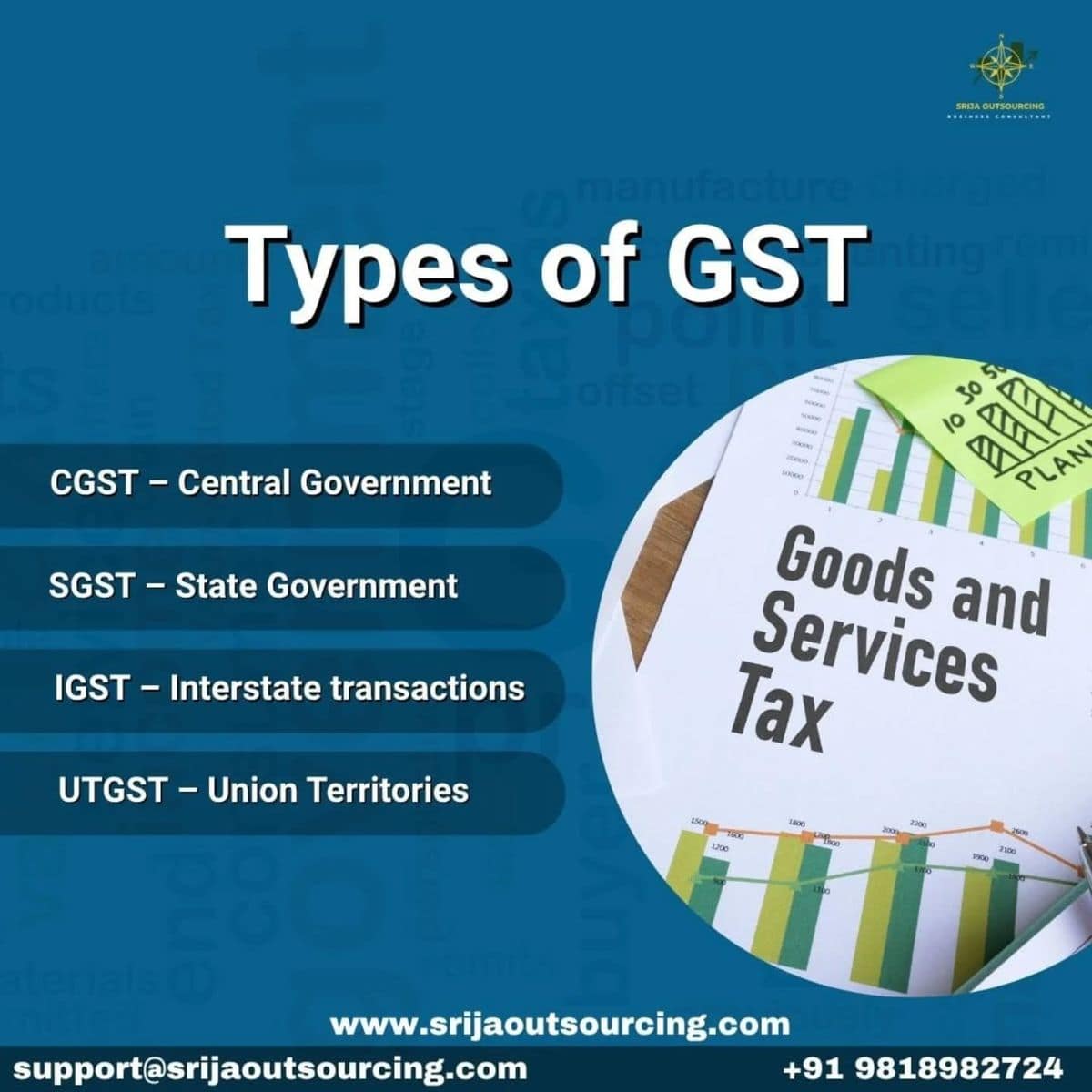
GST is divided into four main parts, depending on the type and location of the transaction:
-
CGST – Central Goods and Services Tax
-
SGST – State Goods and Services Tax
-
IGST – Integrated Goods and Services Tax
-
UTGST – Union Territory Goods and Services Tax
🧩 1. Central Goods and Services Tax (CGST)
-
Levied by: Central Government
-
Applicable on: Intra-state supply (within the same state)
-
Example: If a business in Delhi sells goods to a customer in Delhi, CGST will apply.
-
Collected by: Central Government
Purpose: To ensure the Centre gets its share of revenue from local (within-state) transactions.
🧩 2. State Goods and Services Tax (SGST)
-
Levied by: State Government
-
Applicable on: Intra-state supply (within the same state)
-
Example: If a shop in Maharashtra sells to a customer in Maharashtra, SGST applies along with CGST.
-
Collected by: State Government
Note: In an intra-state sale, CGST and SGST are charged simultaneously — the tax amount is equally divided between the Centre and the State.
🌐 3. Integrated Goods and Services Tax (IGST)
-
Levied by: Central Government
-
Applicable on: Inter-state supply (between two states or union territories) and imports
-
Example: If a seller in Gujarat sells goods to a buyer in Tamil Nadu, IGST will apply.
-
Collected by: Central Government (later shared with the destination state)
Purpose: To ensure smooth tax credit flow between states and avoid double taxation.
🏝️ 4. Union Territory Goods and Services Tax (UTGST)
-
Levied by: Union Territory Government
-
Applicable on: Intra-Union Territory supply (when both buyer and seller are in the same Union Territory without legislature, like Chandigarh, Lakshadweep, etc.)
-
Collected by: Union Territory Government
Note: In Union Territories with legislature (like Delhi and Puducherry), SGST is applicable instead of UTGST.
📊 Key Differences at a Glance
| Particulars | CGST | SGST | IGST | UTGST |
|---|---|---|---|---|
| Levied By | Central Government | State Government | Central Government | Union Territory Government |
| Type of Supply | Intra-State | Intra-State | Inter-State | Intra-UT |
| Tax Revenue Shared With | State Government | Central Government | Shared between Centre & State | Central Government |
| Example | Delhi → Delhi | Delhi → Delhi | Delhi → Mumbai | Chandigarh → Chandigarh |
🧮 Example for Better Understanding
Suppose a seller in Delhi sells goods worth ₹1,00,000 to a buyer in Delhi at 18% GST.
-
CGST = 9% (₹9,000)
-
SGST = 9% (₹9,000)
-
Total GST = 18% (₹18,000)
If the same goods are sold from Delhi to Mumbai, then only IGST = 18% (₹18,000) will be charged.
📘 Conclusion
Understanding the difference between CGST, SGST, IGST, and UTGST helps businesses comply with GST laws correctly and avoid errors during return filing.
In short:
-
CGST & SGST → For intra-state transactions
-
IGST → For inter-state transactions
-
UTGST → For intra-UT transactions
By mastering these basic GST components, you can ensure smoother operations and accurate tax payments for your business.