
Reduced Taxes on Essentials: How Lower GST Rates Are Making Everyday Life Easier
Introduction
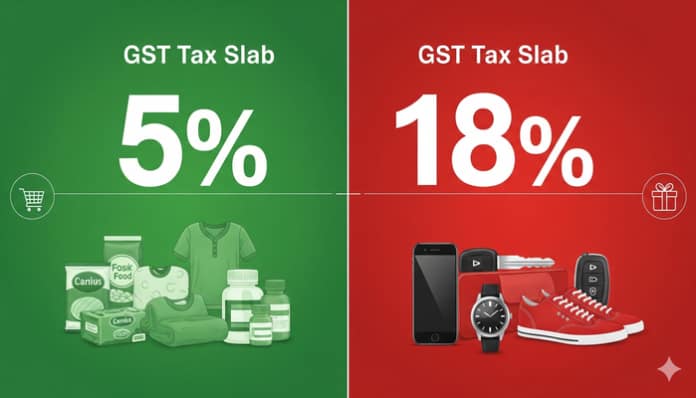
The Goods and Services Tax (GST) reform has significantly changed India’s taxation landscape. One of the biggest benefits for consumers is the reduction in taxes on essential goods and services. From soaps and packaged snacks to medical devices and insurance premiums, many daily-use items now attract a 5% or even 0% GST rate. This move not only lightens the financial burden on households but also promotes affordability and better access to essential services.
1. Essentials Now Cheaper Under Reduced GST Rates
The government has revised GST rates on several household and food items, bringing them down from higher slabs to just 5% or 0%. The goal is to make basic necessities more affordable for common citizens and ensure equitable access to essential commodities.
Some key categories where GST has been reduced include:
-
Soaps and Detergents – Basic hygiene products are now taxed at a lower rate, promoting cleanliness and better health in households.
-
Packaged Snacks and Food Items – Popular packaged foods like biscuits, namkeen, and ready-to-eat products are now taxed at 5%, making them more affordable for families.
-
Medical Devices – Crucial healthcare products such as stents, wheelchairs, and diagnostic tools now fall under the 5% GST bracket, ensuring medical aid is accessible to all.
By reducing tax rates on these essentials, the government aims to control inflation and support middle- and lower-income families.
2. Health and Life Insurance Now GST-Exempt
In a major relief for individuals and families, health and life insurance premiums are now exempt from GST.
Previously, policyholders had to pay an additional 18% GST on their premiums, which made insurance slightly expensive. With the exemption in place:
-
Health Insurance becomes more affordable, encouraging more people to secure medical coverage.
-
Life Insurance premiums drop, motivating citizens to invest in long-term financial security.
This move is expected to increase insurance penetration in India, where only a small percentage of the population currently holds active policies.
3. Positive Impact on Households and the Economy
Reduced GST rates on essentials create a ripple effect of benefits:
-
Lower household expenses: Families spend less on daily needs and medical costs.
-
Boost to demand: Affordable prices encourage higher consumption, supporting small businesses and manufacturers.
-
Improved health and well-being: With cheaper hygiene and healthcare products, people can maintain better standards of living.
-
Encouragement for insurance adoption: The removal of GST from premiums makes financial protection more accessible and appealing.
Overall, the reduction aligns with India’s vision of “Ease of Living” by ensuring affordability, accessibility, and inclusivity for every citizen.
4. Government’s Focus on People-Centric Tax Reforms
The GST Council continues to make people-first tax decisions. By cutting taxes on essential goods and exempting critical services, the focus remains on reducing the burden on common citizens and promoting economic balance. These measures demonstrate how GST can evolve into a fair and growth-oriented system.
Conclusion
The reduction of GST rates on essentials marks a positive shift toward affordability and inclusivity. Lower taxes on soaps, snacks, and medical devices, along with the GST exemption on health and life insurance, are steps that benefit millions of Indian families.
As these changes take effect, consumers can look forward to a lighter tax load, more savings, and improved access to essential goods and services.