
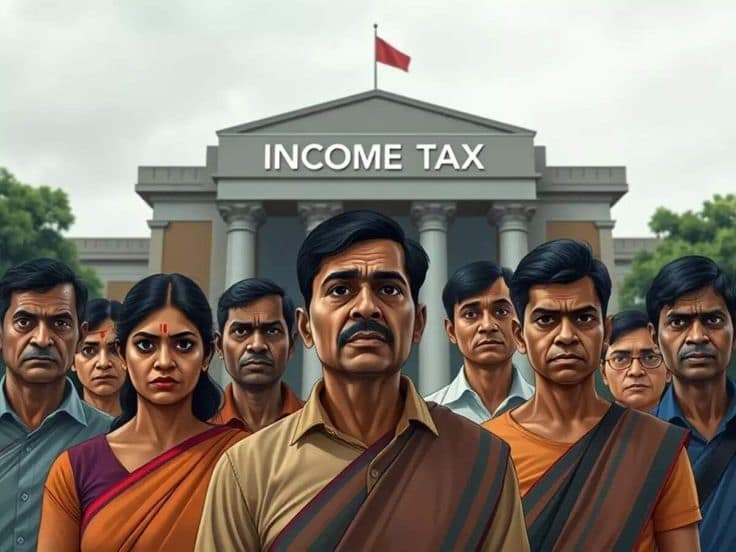
Indian Taxes in 2025-26 — An Overview
India’s tax system is broadly divided into direct taxes (like income tax) and indirect taxes (like GST). The recent Budget 2025-26 introduced several major changes, especially in the direct tax side, many aimed at relieving the tax burden on the middle class and simplifying compliance.
Key Changes in the Direct Tax (Income Tax) Regime
New Tax Regime Revised Slabs
From 1 April 2025 (FY 2025-26 / Assessment Year 2026-27), the New Tax Regime has revised tax slabs. ClearTax+4Forbes+4India Briefing+4
Here are the updated slabs for all individuals regardless of age, under the new regime: Forbes+2India Briefing+2
| Annual Taxable Income | Tax Rate |
|---|---|
| Up to ₹4,00,000 | 0% |
| ₹4,00,001 – ₹8,00,000 | 5% |
| ₹8,00,001 – ₹12,00,000 | 10% |
| ₹12,00,001 – ₹16,00,000 | 15% |
| ₹16,00,001 – ₹20,00,000 | 20% |
| ₹20,00,001 – ₹24,00,000 | 25% |
| Above ₹24,00,000 | 30% |
Rebate under Section 87A
-
The rebate under Section 87A for those opting the New Tax Regime has been increased from ₹25,000 to ₹60,000. ClearTax+2Forbes+2
-
This means if your net taxable income is up to ₹12,00,000, after standard deductions etc., you may effectively pay zero tax under the new regime. The Times of India+2India Briefing+2
Standard Deduction
-
A standard deduction of ₹75,000 is available for salaried taxpayers under the new regime. ClearTax+1
TDS / TCS Thresholds Increased
-
The limits for Tax Deducted at Source (TDS) and Tax Collected at Source (TCS) have been raised in several sections to reduce compliance burden. ClearTax+1
-
For example, interest income for senior citizens: TDS threshold increased from ₹50,000 to ₹1,00,000. ClearTax+1
What Stayed the Same / Old Regime
-
The Old Tax Regime still exists and remains an option. If you have many deductions (e.g. under Sections 80C, 80D, HRA, etc.), the old regime may still be beneficial. Forbes+2India Briefing+2
-
The tax slabs under the old regime have not been changed in Budget 2025-26. The Economic Times+1
Indirect Tax / GST: Some Recent Updates
While most of the fuss in Budget 2025 has been on income tax, there are key updates in the indirect tax side, especially GST, that affect consumers and businesses. Some of them:
-
Recent GST rate rationalisations (“GST 2.0”) effective from 22 September 2025. These include rate cuts on certain essential items (e.g. dairy & packaged food products) and changes in how GST on commissions (especially in insurance) is treated. The Times of India+2The Times of India+2
-
For example, Mother Dairy is passing on GST-benefits to consumers via price cuts in butter, paneer, certain types of milk etc. The Times of India+1
-
Also, delivery charges via food aggregators (e.g. Swiggy, Zomato) will now attract 18% GST on the delivery service portion. The Economic Times
Implications & Who’s Benefited
-
Middle Class Relief
If your income is in the middle range (say up to ~₹12-13 lakh), these changes (standard deduction + bigger rebate + new slabs) significantly reduce or eliminate tax liability under the new regime. -
Simplification
Increased thresholds for TDS/TCS lighten small taxpayers’ compliance burden. Fewer small deductions to track if you move to the new regime. -
Choices Still Matter
Even with these changes, whether old vs new regime is better depends on your deductions, investments, and income sources. For example, if you have substantial deductions (home loan interest, life insurance, etc.), old regime might still beat the new one. -
High Income / Surcharge Still Relevant
For very high incomes, surcharges, cess, and alternate minimum tax / capital gains etc. remain pertinent. These have not been substantially overhauled in the 2025 budget in many cases.
Things to Watch Out For
-
Timing: New rules apply from 1 April 2025. So all your income, expenditures, etc. in that financial year will be governed by these.
-
Marginal Relief / Rebate Cut‐off Edges: As you approach the boundaries (e.g. just over ₹12 lakh), small differences (standard deduction, rebate) can make or break your tax liability.
-
Choosing the Right Regime: Evaluate old vs new regime every year before filing ITR.
-
Indirect Changes: With GST rate adjustments, costs of goods/services may change — it’s not just income tax.
Conclusion
Budget 2025 has made a clear push towards easing the tax burden on the middle class, simplifying compliance, and rationalising the tax structure. With no tax up to ₹12 lakh (under new regime after rebate), and a more generous standard deduction, many taxpayers will see lower tax bills. But high income earners, or people with multiple income streams, dedications, etc., still need to plan carefully.